

The “We’ll Move Next Year” Conversation: 5 Questions to Ask This Fall

Fall has a way of making us take stock. As the mornings cool and the Wasatch begins to change color, many homeowners around Salt Lake City and Holladay start wondering, “Maybe we’ll move next year.” Sometimes waiting is the right choice, but sometimes “next year” becomes a way to postpone a decision that deserves more attention. If you’ve been asking yourself, Should I sell my home in Utah? these five questions can help you understand your options without rushing toward an answer.
1. What would actually be different next year?
This is often the most important question because it moves the conversation beyond a date on the calendar.
When homeowners say they plan to move next year, I like to think about what “next year” is meant to solve. Will work look different? Will a child be starting a new school? Will the timing make more sense financially? Are you waiting for a particular life event to happen first?
Or does next year simply feel easier to imagine than making a decision now?
There’s nothing wrong with needing more time. In fact, thoughtful homeowner planning often requires it. But clarity begins when you can name what you’re waiting for.
If there’s a meaningful reason to wait, you can plan around it. If there isn’t, that realization can be helpful too.
A move is rarely only about a house. It’s about the rhythm of life you’re living now and the one you want to create next.
2. Are we attached to the timing—or to the life we have here?
There are homes that hold a lot of life.
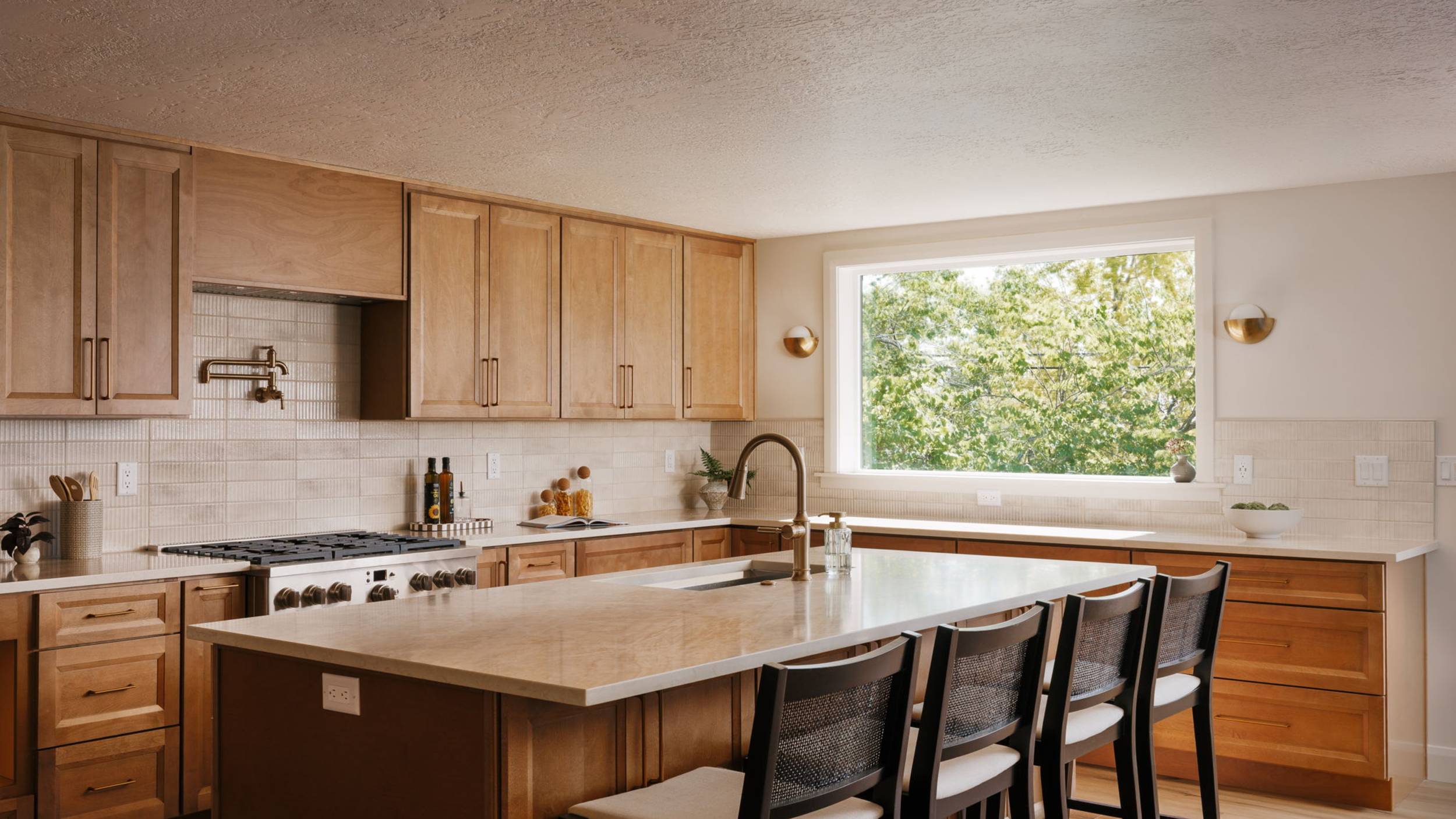
Maybe it’s the kitchen where your family has gathered for years. The view you still pause to appreciate on your way out the door. The mature trees that change with every season. The familiar drive through Holladay, where you know which streets glow beautifully on an October afternoon.
Attachment to a home is real. It deserves to be acknowledged rather than brushed aside.
But it can also help to separate your love for the life you’ve built from the physical property itself.
Sometimes what people are afraid of losing isn’t the house. It’s the sense of belonging they associate with it.
That distinction matters.
You may discover that staying is deeply aligned with the life you want. Or you may realize that many of the things you love—community, friendships, routines, connection—can come with you.
A home shapes our lives, but it doesn’t contain all of them.
3. If we stayed another three years, would this home still support the way we want to live?
This question requires a little imagination.
Think beyond whether the house still works today. Consider the next few years.
Will your daily routines feel easier here? Does the location continue to support the places and people that matter most? Is the space right for the way your family gathers, works, rests, and spends time together?
For some homeowners, the answer is an easy yes.
For others, the small frustrations that have been easy to overlook start becoming more noticeable. A commute that no longer fits the rhythm of the day. A home that feels too large, too small, or too demanding. A desire to be closer to family, trails, restaurants, schools, or the parts of Salt Lake City where you spend the most meaningful time.
This doesn’t mean every discomfort requires a move.
It means it’s worth listening to what your daily life has been telling you.
The best decisions tend to come from understanding how a home supports your life—not simply from deciding whether you can continue living in it.
4. What would we need to know now to make next year easier?
One of the most useful things about planning ahead is that you don’t have to do everything at once.
The strongest decisions are rarely made in a rush. The same is true when preparing a home for a future sale.
You may want time to address deferred maintenance, make thoughtful updates, simplify certain spaces, or understand how your home might be positioned when the time comes. You may also want a clearer picture of your financial options or the timing that best aligns with your broader goals.
Planning early creates room to make decisions calmly.
The work can happen gradually: a conversation in the fall, a few projects over the winter, more intentional preparation in the spring. There’s no need to turn your life upside down because you’re considering a future change.
That’s the value of homeowner planning. It gives you information before urgency enters the picture.
And sometimes the result of that planning is deciding to stay. That can be a successful outcome too.
5. Are we waiting because the timing is intentional—or because deciding feels difficult?
This is the question that often requires the most honesty.
Major decisions can feel heavy, even when they’re right. A home carries memories, identity, financial considerations, family opinions, and plenty of unknowns.
So it’s understandable to delay the conversation.
But postponing a decision doesn’t always create clarity. Sometimes clarity comes from beginning the conversation before you need an immediate answer.
You don’t have to know exactly where you’re going next to understand your options.
You don’t need to have every detail mapped out.
And you don’t have to make a decision simply because you’ve started asking better questions.
Fall is a natural season for this kind of reflection. The pace changes. Summer distractions fade. We begin looking ahead toward the holidays and, quietly, toward another year.
For homeowners throughout Utah, that can be a meaningful time to pause and ask whether “we’ll move next year” is a plan—or simply a placeholder.
A Thoughtful Plan Leaves Room for Life
There’s a certain comfort in having a date attached to a decision. Next year sounds organized. It gives the future a shape.
But a date alone isn’t a plan.
A thoughtful plan considers your home, your timing, your financial goals, and, most importantly, the life you’re hoping to live. It gives you room to prepare without pressure and to make changes gradually rather than all at once.
The homeowners who feel most grounded in their decisions are often the ones who gave themselves time to think well.
Not because every answer arrived immediately, but because they created space for the right questions.
If this fall finds you wondering whether your current home still fits the life you want to live—or whether next year may bring a change—it may be enough to start there.
I’m Britt Kershner, and I help homeowners in Salt Lake City and Holladay navigate the luxury market with a thoughtful, well-executed approach to positioning and marketing. If you’re considering selling and want to understand what a tailored, behind-the-scenes strategy could look like for your home, I’m here to guide you through it—clearly and intentionally. Let’s start with a conversation and build a plan that reflects the level of your property and your priorities.
Living well starts at home, but sometimes it also starts with taking the time to understand what you want home to mean next. And there’s something reassuring about giving that question the attention it deserves.