

When to Sell a Home in Utah: The Cost of Waiting
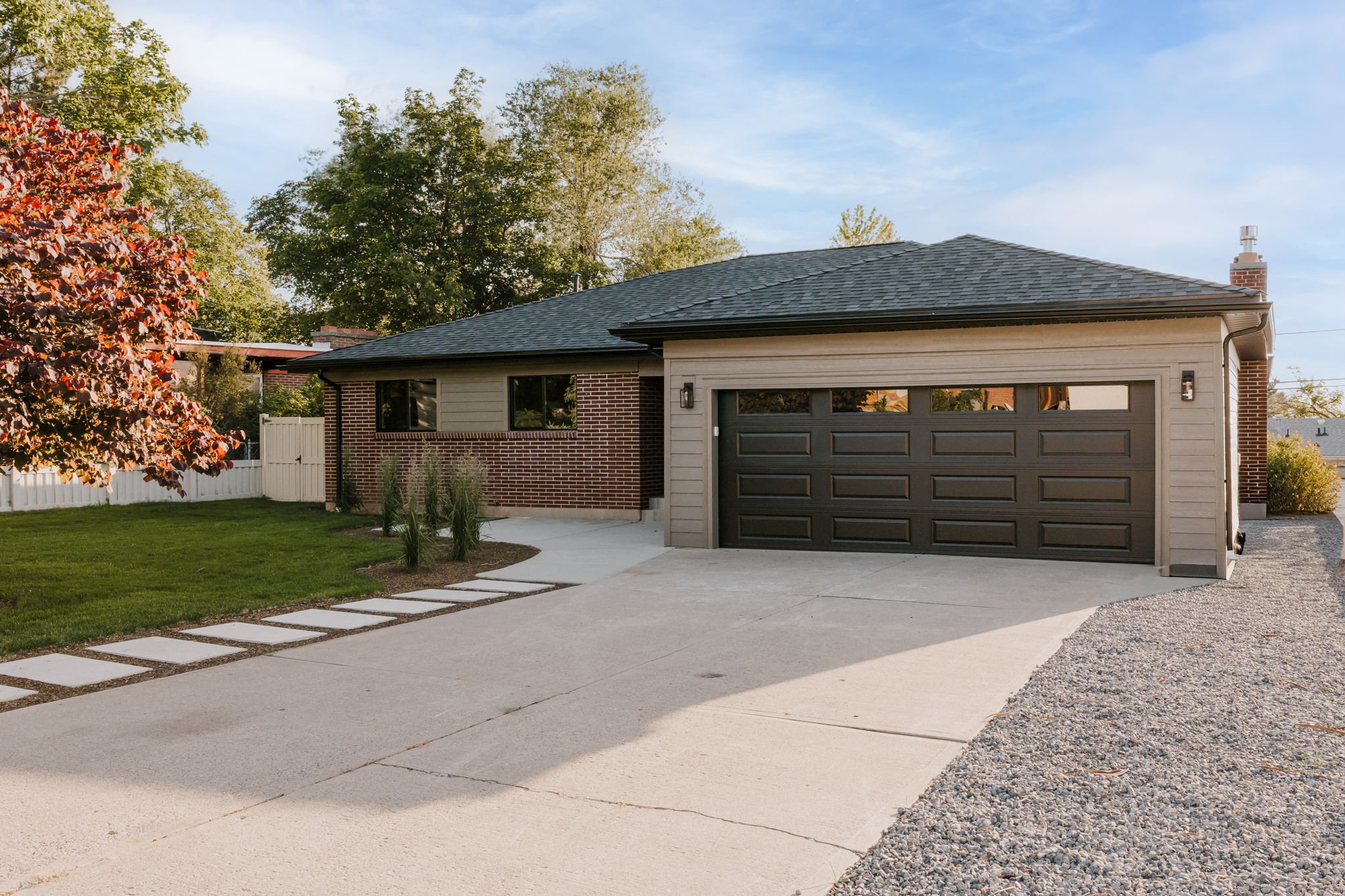
If you've been wondering when to sell a home in Utah, it's easy to focus on interest rates, inventory, or what the market might do next. Those things matter, but they're not the whole story.
Sometimes the more important question is this:
What is waiting costing you?
Maybe your family has outgrown the house. Maybe you're ready to be closer to the mountains, family, or a different part of the Wasatch Front. Maybe you've built meaningful equity but haven't stopped to think about what that equity could make possible.
Or maybe you've been saying, “We'll move someday,” for the last three years.
There can be a financial cost to waiting, but there can also be a lifestyle and emotional cost.
Real estate is about more than buying and selling. It's about creating a home and a life that work together. That's why I believe Life Rewards the Prepared.
The Decision Is Bigger Than the Market
There's no shortage of opinions about the best time to sell a home.
Some people watch interest rates. Others watch inventory, home prices, or headlines about the Utah housing market.
But the best time to sell isn't necessarily the moment when every market indicator lines up perfectly.
It's the moment when selling makes sense for your life, your finances, and your next chapter.
I work with homeowners throughout Holladay, Millcreek, Cottonwood Heights, Olympus Cove, and the Salt Lake City East Bench, and one thing I've noticed is that the reason someone wants to move is often much more personal than the market itself.
The house that worked beautifully five or ten years ago may not work the same way today.
That's worth paying attention to.
Your Home May Have Outgrown You
Sometimes the signs are obvious.
You need another bedroom. The kids are sharing space. Your home office has taken over the dining room. You're constantly rearranging furniture because the house doesn't function the way your family needs it to.
Other times, it's more subtle.
Maybe you've accumulated more belongings than your home comfortably holds. Maybe you're entertaining more. Maybe you're spending more time outside and want a better yard or outdoor living space.
And sometimes the opposite happens.
The kids leave home, and suddenly you're maintaining rooms you rarely use.
The point isn't that a larger or smaller home is automatically better.
It's that your home should support the way you're actually living.
If it doesn't, it's reasonable to start asking whether staying is still serving you.
Waiting Can Delay the Lifestyle You Want
This is one of the hidden costs of waiting that doesn't show up on a mortgage statement.
Maybe you've always wanted to live closer to the mountains.
Maybe you want to be nearer to family.
Maybe you're ready for a neighborhood where you can walk to more of the places you enjoy.
Maybe you've been thinking about relocating within Utah—or leaving Utah altogether.
A home is part of the infrastructure of your life.
Where you live affects your commute, your weekends, your routines, your relationships, and how much time you spend doing the things that matter to you.
So if you've been delaying a move because you're waiting for the “right” market, it's worth asking another question:
How much longer do I want to delay the life I'm working toward?
You don't have to sell tomorrow.
But you can start making a plan today.
What Waiting Could Mean for Your Home Equity
For many Utah homeowners, years of ownership have created meaningful equity.
That equity can represent an important opportunity.
It could potentially help you purchase your next home, support a relocation, fund another financial goal, or give you greater flexibility in your next chapter.
Of course, selling isn't free. There are transaction costs, moving expenses, potential repairs, and other financial considerations to evaluate.
And nobody can know exactly what home values will do in the future.
That's why I don't think homeowners should make a decision based on trying to predict the market perfectly.
Instead, look at the bigger picture.
What is your home worth today?
How much equity have you built?
What would selling allow you to do?
What does staying allow you to do?
Sometimes the most important opportunity isn't a future change in home value. It's what you could do with the resources you already have.
There's an Emotional Cost to Staying Too Long
This is the part we don't always talk about.
Sometimes you know it's time for a change, but you keep putting it off.
You tell yourself you'll revisit it next year.
Then another year passes.
The house may require more maintenance. The rooms may feel less functional. The thought of moving can become more overwhelming because you haven't given yourself time to plan.
And there can be a strange feeling that comes from knowing your home isn't quite right anymore but not knowing what comes next.
I've found that having a conversation early can relieve some of that pressure.
You don't have to list your home.
You don't have to make an offer on another property.
You don't even have to decide whether you'll move.
You can simply learn what your options are.
Sometimes clarity is enough to make the next step feel much more manageable.
The Right Time to Sell Is Personal
There are seasons when the Utah market tends to be busier, and there are times when buyer attention can shift because of holidays, vacations, or other seasonal patterns.
Those things matter.
But they shouldn't be the only factors driving your decision.
A family relocating for work may have a very different timeline from a couple downsizing after their children leave home.
Someone moving from Holladay to another East Bench neighborhood may have different priorities than someone preparing to leave Utah.
A homeowner who needs significant preparation may need several weeks—or longer—before listing.
The right timing is a combination of market conditions and personal circumstances.
That's why I prefer to start the conversation early.
Preparation Gives You More Choices
One of the biggest mistakes homeowners can make is waiting until they're ready to sell before they start preparing.
You don't have to be ready to list to get ready to list.
Start by understanding your home.
Walk through each room and make note of deferred maintenance.
Look at your landscaping and exterior through a buyer's eyes.
Think about whether certain repairs or improvements are worthwhile.
Begin decluttering.
Understand your home's current value and how much equity you've built.
And start thinking about where you would go next.
The homeowners who experience the least stress are often the ones who give themselves room to make decisions instead of rushing from one decision to the next.
Thoughtful preparation can make the eventual selling process feel much more manageable.
Your goal isn't to create a perfect house.
It's to create a clear strategy.
Your Home's Current Value Is Only Part of the Equation
It's easy to get caught up in the question, “What will my house be worth next year?”
But I'd encourage you to ask a few more questions.
What does it cost you to stay?
How much are you spending on maintenance?
Are you using the space efficiently?
Are you delaying a move that would improve your quality of life?
What could your equity help you accomplish?
And perhaps most importantly:
What do you want your home to make possible?
Those questions shift the conversation from trying to time the market to thinking about how real estate fits into your larger life.
A Utah Homeowner's Guide to Knowing When It's Time
If you're not sure whether it's time to sell, start here.
Ask yourself:
Does my home still fit the way I live?
Am I consistently wishing I had more—or less—space?
Am I putting off a lifestyle change because of my home?
Have I built meaningful equity?
Do I know what my home could realistically sell for?
Do I know what my next move would look like financially?
Would more time make the eventual move easier?
What would I do differently if I knew I had a year to prepare?
You don't need every answer today.
But these questions can help you figure out whether you're simply thinking about moving—or whether it's time to start preparing.
When to Sell a Home in Utah: Start With a Plan
If you're wondering when to sell a home in Utah, I don't think the answer is found in one perfect month, one interest rate, or one market headline.
It's found by looking at the whole picture.
Your home.
Your equity.
Your timeline.
Your next move.
And the life you want to build.
Sometimes the right answer is to sell now.
Sometimes it's to wait.
And sometimes the best decision is to spend the next six or twelve months getting prepared so that when you're ready, you have choices.
That's the approach I believe in.
Life Rewards the Prepared.
And because Living Well Starts at Home, I think your real estate decisions should support the way you want to live—not simply react to whatever the market happens to be doing.
Frequently Asked Questions About Selling a Home in Utah
When is the best time to sell a home in Utah?
The best time depends on your home, neighborhood, financial situation, goals, and timeline. Seasonal market activity can be helpful to understand, but personal circumstances are equally important. A good selling strategy considers both.
Is it better to sell a home in Utah now or wait?
There's no universal answer. Consider what waiting means for your finances and your lifestyle, including maintenance costs, your available equity, your future plans, and how well your current home fits your needs.
How do I know if I'm ready to sell my Utah home?
Start by asking whether your current home still supports the way you live. If you've outgrown the space, you're maintaining more home than you need, or you're delaying an important lifestyle change, it may be worth exploring your options—even if you're not ready to list yet.
Does waiting to sell a home cost money?
It can. The cost of waiting may include ongoing maintenance, property expenses, delayed access to your equity, or the opportunity cost of postponing your next move. It doesn't necessarily mean your home's value will decline.
How long should I prepare before selling my Utah home?
Every home is different, but giving yourself several weeks—or more—can make the process much less stressful. Preparation may include repairs, decluttering, landscaping, staging, photography, pricing strategy, and coordinating your next move.
Should I sell my Utah home before buying another one?
It depends on your finances, available equity, timeline, and comfort with managing two transactions. Some homeowners sell first, while others buy first or coordinate both transactions. The right approach depends on your specific situation.
Thinking About Making a Move?
You don't need to have a listing date picked out to start planning.
If you're wondering whether you should sell this year, next year, or several years from now, I'd be happy to help you understand your options.
Whether you're considering a move in Holladay, Millcreek, Cottonwood Heights, Olympus Cove, Salt Lake City, or elsewhere in Utah, we can look at your home's value, your equity, your timeline, and what you're hoping to accomplish next.
You don't have to figure it all out at once.
Sometimes the best first step is simply having a conversation.
Living Well Starts at Home.