

Fall Is a Good Time to Ask: Does This Home Still Fit Our Life?
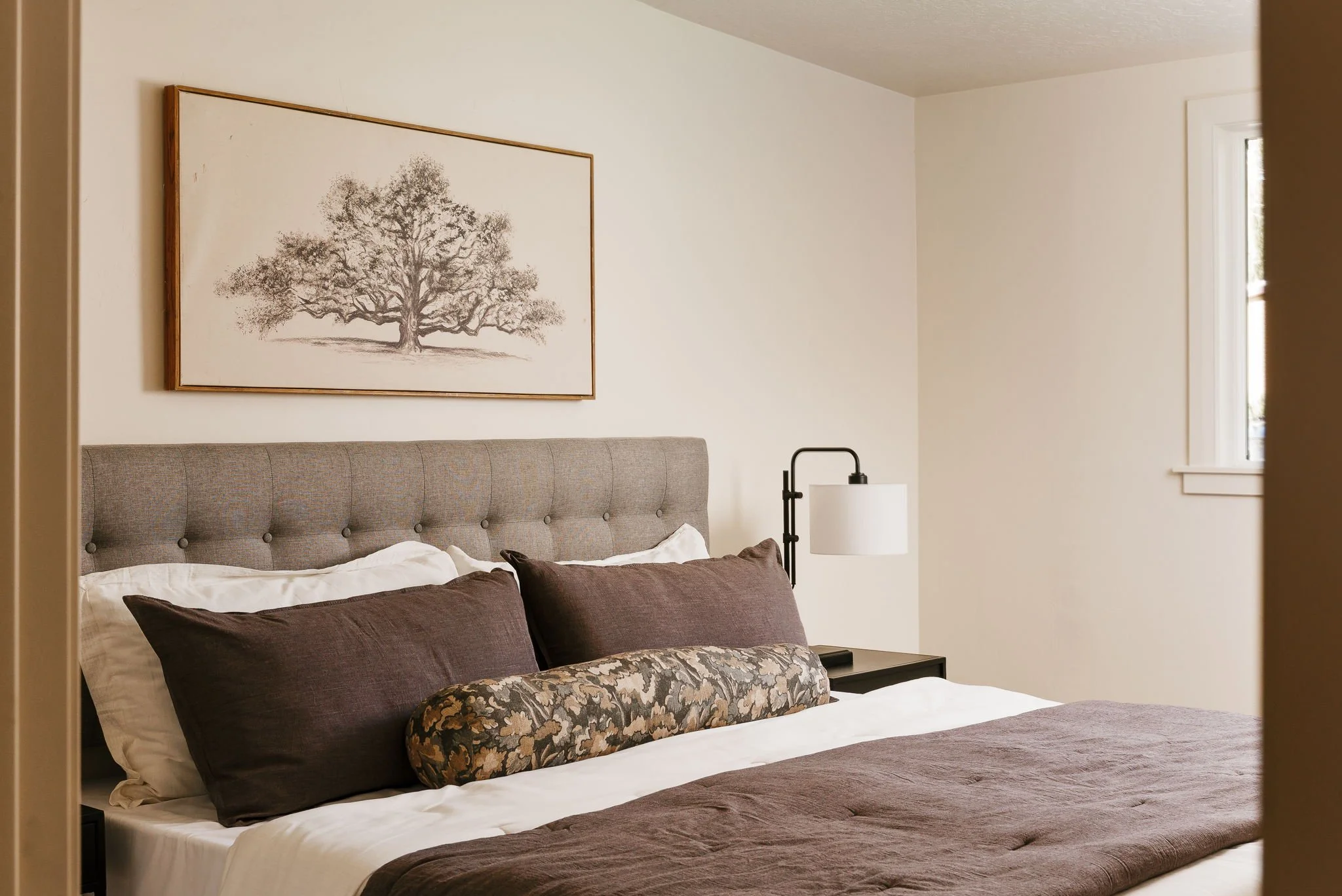
There’s something about fall in Utah that makes you slow down a little. The mornings feel cooler, the mountains begin to change, and after a busy summer, life starts to settle into a different rhythm. It’s also a natural time to look around your home and ask a question that doesn’t always get enough attention:
Does this home still fit the life we’re living today?
Maybe the kids are getting older. Maybe you're working from home more often. Maybe the house that once felt spacious now feels a little tight, or the yard you loved maintaining has become more responsibility than enjoyment.
Or perhaps your home still works beautifully, but you're curious about what the next chapter could look like.
For many homeowners, fall is a thoughtful time for homeowner planning. Not because you need to make a move, but because understanding your options gives you the freedom to make a better decision when the time is right.
1. Start With How Your Life Has Changed
When you bought your home, you probably had a very specific vision for how you would live there.
Maybe you needed a first nursery, a shorter commute, a little more breathing room, or a neighborhood that felt right for your family.
Life has a way of evolving.
As you walk through your home this fall, consider a few questions:
Do we have enough space for how we live now?
Are there rooms we rarely use, or spaces we wish we had?
Does our home support our work, family routines, and time together?
Are we spending our weekends enjoying our home or constantly maintaining it?
Do we still love our location and the lifestyle it offers?
I always think it's helpful to separate what you want from what you truly need. Sometimes the answer is a better use of your current space. Other times, it may be worth exploring a move.
2. Look Beyond Square Footage
When homeowners begin thinking about moving up, the conversation often starts with square footage.
More bedrooms. A bigger kitchen. An extra garage bay.
Those things can matter, but a better home isn't always a bigger home.
Maybe what you really want is a more functional floor plan, a dedicated office, a main-floor primary suite, a little more privacy, or a backyard that feels like an extension of your living space.
For homeowners in Holladay, Millcreek, Cottonwood Heights, and Salt Lake City's East Bench, lifestyle can be just as important as the home itself.
Perhaps you'd love to be closer to the trails in Millcreek Canyon. Maybe you value mature trees, mountain views, access to everyday conveniences, or staying close to the people and places that make your neighborhood feel like home.
When I help clients think about their next move, I encourage them to define what living well actually means to them.
That clarity makes the search more intentional.
3. Consider the Financial Side Before You Fall in Love With the Next Home
One of the most important parts of homeowner planning is understanding your starting point.
If you're considering becoming a move-up buyer in Utah, it's worth looking at the full financial picture before touring homes.
A few things to review:
Your current home's estimated value: What might your home reasonably sell for based on recent comparable sales and its condition?
Your remaining mortgage balance: Understanding your current loan helps establish a starting point for estimating equity.
Your potential selling costs: Include transaction expenses, preparation, moving, and other applicable costs.
Your next-home budget: Consider the mortgage payment, property taxes, insurance, utilities, and maintenance.
Your cash reserves: Think about how much flexibility you'd like to preserve after the move.
Equity can create opportunity, but estimated equity isn't the same as cash available to spend.
Your actual proceeds will depend on your loan payoff, selling costs, and final sale price.
And if you're buying and selling around the same time, the sequence matters. Selling first, buying first, or coordinating both transactions can each come with different financial and logistical considerations.
A conversation with your real estate professional and lender can help you understand which options may fit your situation.
4. Think About Timing Without Putting Pressure on Yourself
Fall can be an excellent time to start planning, even if a move is months away.
Some homeowners hope to make a move before the next school year. Others want to be settled before summer, or they're simply beginning to explore what's possible.
There isn't one right timeline.
What matters is understanding how your goals connect to preparation, financing, and local market conditions.
If you're hoping to sell your current home and purchase another, it's helpful to begin early enough to make decisions thoughtfully.
That may mean reviewing your home's condition, discussing pricing expectations, organizing paperwork, or getting pre-approved for your next purchase.
And remember, the right timing isn't determined by the calendar alone. It's also about your financial readiness, your family's needs, and the homes available that align with your priorities.
5. Don't Overlook the Value of Staying
I think this is an important part of the conversation.
Not every homeowner who wants something different needs to move.
Sometimes the answer is renovating a kitchen, rethinking a floor plan, creating a more functional workspace, or simplifying the way you use your home.
Other times, the emotional value of staying in a familiar neighborhood outweighs the benefits of a different property.
Your favorite walking route, neighbors you've known for years, proximity to family, and the comfort of a place filled with memories are all part of the equation.
Real estate decisions are personal. The goal isn't to convince yourself that you need more. It's to understand what will serve you best in the years ahead.
6. If Moving Up Is on Your Mind, Start With a Plan
For homeowners who are ready to explore a move-up purchase, a little preparation can make the experience feel much more manageable.
Here's where I'd start:
Write down the three things you most want your next home to offer.
Identify what isn't working in your current home.
Review your financial position and speak with a lender.
Get a realistic understanding of your home's potential market value.
Talk through buying and selling strategies, including timing and contingencies.
Begin watching neighborhoods and homes that align with your priorities.
You don't need every answer before beginning the conversation.
In fact, that's often the point of having one.
A Fall Reminder for Utah Homeowners
One of the things I appreciate most about living along the Wasatch Front is how much our surroundings shape the way we live.
Fall brings a different perspective. We spend more time at home, settle into familiar routines, and begin thinking about the year ahead.
It's a good moment to check in with yourself.
If your home still supports your lifestyle, that's worth appreciating.
If your needs have changed, that's worth exploring, too.
Homeowner planning isn't about rushing toward your next transaction. It's about creating choices.
And for those considering becoming move-up buyers in Utah, understanding your options today can help you approach tomorrow with more confidence.
Preparing Your Utah Home to Sell This Fall
The best home showings aren't necessarily the ones with the most elaborate staging or the longest list of upgrades. Often, they're the ones where buyers can walk through comfortably, appreciate the home's features, and begin imagining their own lives there.
These home showing tips for Utah sellers come down to a few fundamentals: maintain the property, make the most of natural light, create a welcoming atmosphere, and take care of the details that help buyers feel confident.
If you're considering selling in Holladay, Millcreek, Cottonwood Heights, Olympus Cove, or elsewhere along the Wasatch Front, I'd be happy to help you create a preparation plan that fits your home and your goals.
Because selling well starts long before the listing goes live. And a thoughtful plan can make all the difference.
Frequently Asked Questions
How do I know when it's time to move to a bigger home?
Consider whether your current home consistently limits your daily routines, privacy, storage, work needs, or family life. Compare the benefits of moving with the possibility of improving your existing space.
Is fall a good time to start planning a move in Utah?
Yes. Fall can be a useful time to review your finances, estimate your home's value, explore neighborhoods, and develop a timeline. Whether it's the right season to list or buy depends on your goals and current market conditions.
How much equity do I need to buy a move-up home?
There isn't one universal equity requirement. Your options depend on your available funds, loan program, credit and income qualifications, down payment, closing costs, and whether you sell your current home before purchasing.
Should I sell my current home before buying another in Utah?
It depends on your finances, risk tolerance, available financing, and local market conditions. Selling first can clarify your budget, while buying first may offer more flexibility with moving. Coordinating both transactions requires careful planning.
Is it better to renovate or move to a new home?
Compare the cost and disruption of renovations with the benefits of a different property. Consider location, floor plan, long-term maintenance, financing, and how well each option supports your lifestyle.
Let's Talk About What's Next
Whether you're happily staying put, thinking about making a few changes, or wondering what a move-up home in Holladay, Millcreek, Cottonwood Heights, or Salt Lake City's East Bench might look like, I'd love to help you think it through.
I'm Britt Kershner, and I believe living well starts at home. Sometimes that means finding your next home. Sometimes it means making the most of the one you already have.
If a move has been on your mind, let's start with a conversation about your goals, your timeline, and what matters most to you.